Why Graves Aren't Forever: What Burial Customs Around the World Reveal About Memory
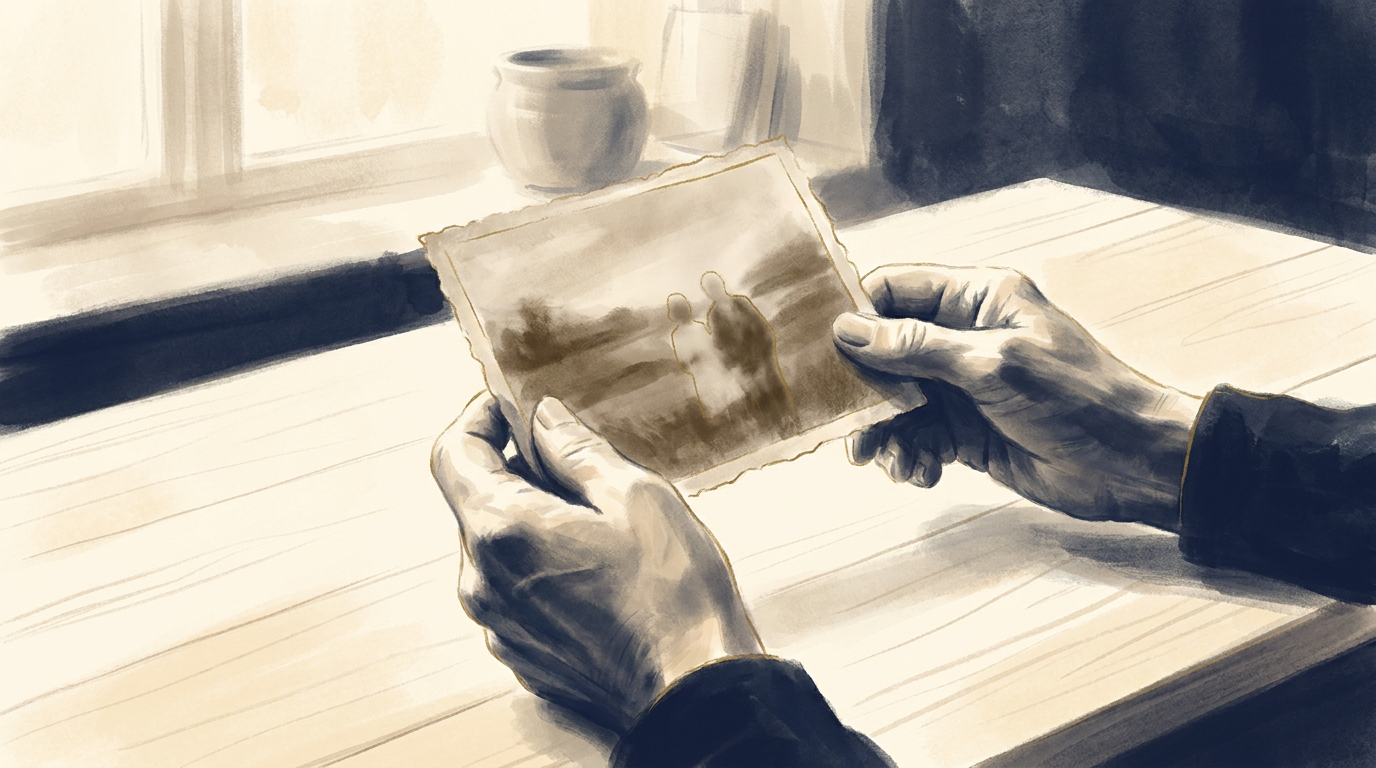
Many people wonder what happens to a final resting place over decades or centuries. The reality is that across most of the world, physical graves are often temporary markers rather than permanent fixtures, reflecting a cultural understanding that memory lives in stories rather than just stone.
Understanding why graves aren't forever requires looking at both land management and cultural philosophy. In many European countries, grave plots are leased for a set period, typically 20 to 30 years. If the lease is not renewed by the family, the headstone is removed and the plot is reused. This practice ensures that cemeteries remain functional spaces for local communities. In other cultures, such as in parts of Southeast Asia or the Mediterranean, secondary burials or ossuaries are common, where remains are moved to a communal space after a period of time to make room for others.
The Evolution of Physical Memorials
The physical landscape of remembrance is changing. As urban populations grow, the space available for traditional burials decreases, leading more families to consider how to maintain a connection to their loved ones without relying solely on a specific coordinate in a cemetery. You can read more about these shifting perspectives in our article on why graves are not forever.
This transition has encouraged the rise of digital remembrance. While a headstone might weather or a lease might expire, a digital presence can remain accessible to family members across the globe. For those who wish to bridge the gap between the physical and the digital, a QR memorial plaque for a gravestone provides a way to link a permanent digital history to a physical site, ensuring that the story of a life is not lost even if the physical monument changes.
Cultural Perspectives on Transience
In some traditions, the fading of a physical grave is not seen as a loss, but as a natural progression. In Buddhist practices, the emphasis is often on the transition of the soul rather than the preservation of the body. In contrast, Victorian-era Western traditions emphasized grand, permanent monuments, many of which are now crumbling in historic cemeteries. These differing views show that "forever" is a relative term in the context of grief.
Today, many people are choosing to plan your own legacy by deciding how they want to be remembered before the need arises. This often includes moving away from high-maintenance physical plots toward more sustainable or digital options that can be shared easily among descendants.
Managing Memory in the Digital Age
As we move toward a more mobile society, the challenge of visiting a family plot becomes greater. Digital tools allow families to collect family memories together in a central, accessible space. This ensures that even if a physical grave is thousands of miles away—or no longer exists—the photographs, voice recordings, and stories of that individual remain part of the family narrative.
It is important to note that while digital platforms provide longevity, they should complement, not replace, formal arrangements. Understanding your local laws regarding burial rights and inheritance is essential. This information is intended for general educational purposes and does not constitute legal advice; you should consult a professional in your specific jurisdiction for matters regarding estate law.
Frequently Asked Questions
What happens when a grave lease expires? In jurisdictions where leasing is standard, the cemetery authority typically contacts the next of kin. If no one is available to renew the lease, the monument is usually removed, and the ground may be prepared for a new burial. The previous remains are often moved to a deeper level or a communal ossuary.
Can I ensure a grave lasts forever? In some countries, like the United States, "perpetual care" funds are common, though the term "perpetual" is subject to the long-term financial health of the cemetery association. Even then, environmental factors and time eventually affect all physical structures.
How can I preserve a legacy without a physical grave? Many families now use digital archives to store life stories. This allows for a more detailed record than a headstone could ever provide, including video and extensive text.
Conclusion
Recognizing that physical graves have a natural lifespan helps us focus on what truly lasts: the impact a person had on those they left behind. By utilizing modern tools and intentional planning, we can ensure that the essence of a loved one is preserved for generations to come, regardless of what happens to the stone and soil.