Navigating the Past: What to Do With Old Letters and Photos After a Loved One Dies
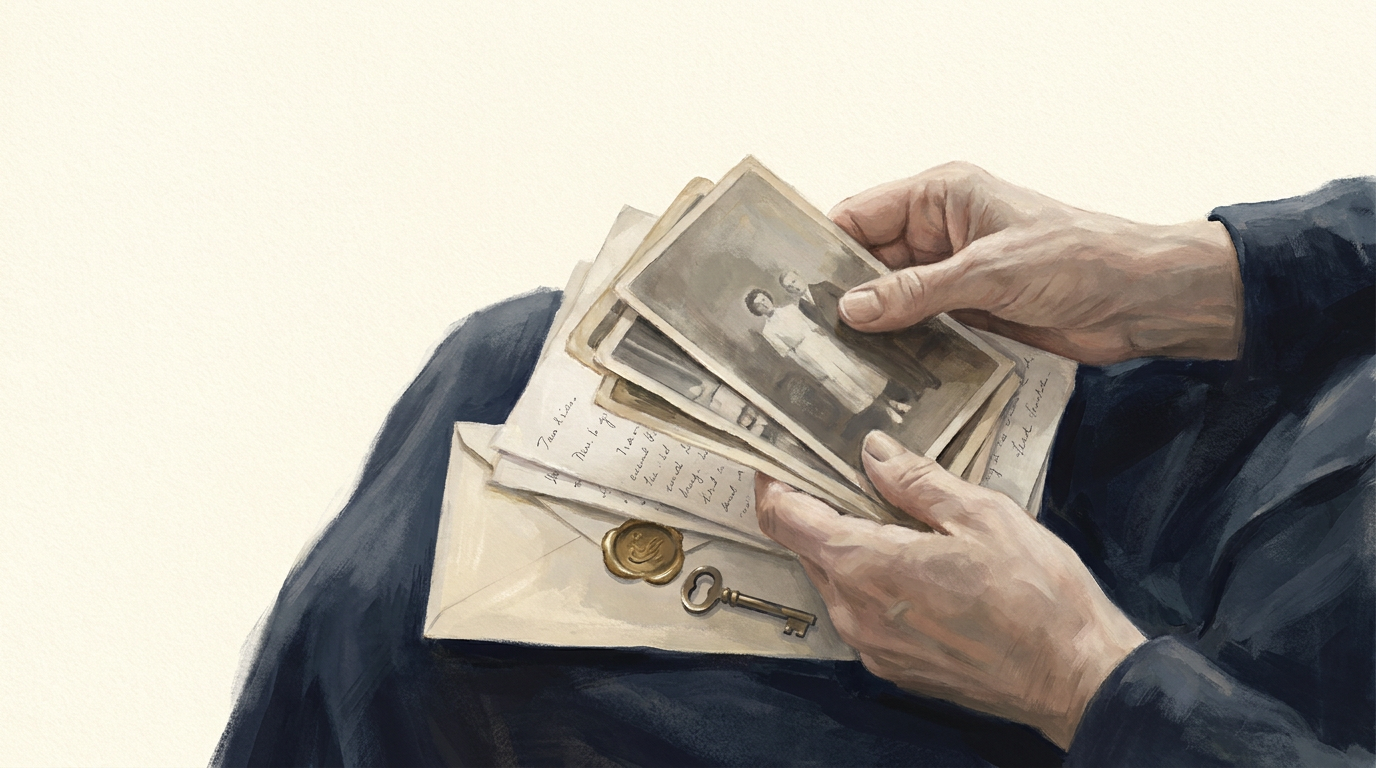
When a loved one passes away, the task of sifting through their belongings often falls to those left behind. Among the many items, old letters and photographs frequently emerge as particularly poignant reminders of a life lived. These aren't just paper and ink; they are fragments of history, whispers from the past, and tangible connections to the person you cherished. The sheer volume, coupled with the emotional weight, can make deciding what to do with them an overwhelming endeavor. This guide offers a thoughtful, step-by-step approach to handling these precious mementos with respect and intention, including how a shared family memory wall can keep them together for everyone who loved them.
The Emotional Landscape of Discovery
Before you even begin, acknowledge the emotional challenge inherent in this process. Each photograph, each handwritten note, can trigger a rush of memories, both joyful and sorrowful. It's perfectly normal to feel a mix of nostalgia, grief, curiosity, and even a sense of intrusion. Give yourself permission to pause, to feel, and to take breaks when needed. This isn't a race; it's a journey of remembrance and reconciliation.
Creating a Conducive Environment
Find a quiet, comfortable space where you can work without interruption. Ensure good lighting and have a few basic supplies on hand: archival-safe gloves (to protect delicate items), a soft cloth, pens, sticky notes, and a few labeled boxes or folders. Play calming music if it helps, or work in silence if that's more conducive to your reflection. Consider inviting a trusted family member or friend to join you, not necessarily to help with decisions, but for emotional support and shared remembrance.
Initial Sorting: A Gentle First Pass
Resist the urge to make immediate, permanent decisions. The initial goal is simply to organize what you have into manageable categories. Think of this as a triage process.
The "Keep," "Share," and "Unsure" Piles
As you encounter each item, place it into one of three temporary categories:
- Keep: These are items that immediately resonate with you or hold significant personal importance. They might be letters from your loved one, photos of cherished moments, or documents that evoke strong, positive memories.
- Share: These items might be more relevant to other family members or friends. Perhaps it's a photo of a distant cousin, a letter from an old college friend, or a picture of a family event that includes many relatives.
- Unsure: This is a crucial pile. Many items will fall here, and that's perfectly fine. Don't pressure yourself to decide on the spot. Items in this pile can be revisited later with fresh eyes and a clearer perspective. This category also includes items that might be valuable for historical or genealogical research, even if they don't hold immediate personal significance to you.
Prioritizing by Medium and Condition
Within these piles, you might also consider a secondary sort by medium (photos, letters, postcards) and by condition. Fragile items, such as faded albumen prints or delicate parchment, will require special handling sooner rather than later.
Delving Deeper: The Art of Preservation and Curation
Once the initial sorting is complete, you can begin the more detailed process of preservation and making final decisions.
Photos: Bringing Images to Life
Photographs are perhaps the most common and powerful visual connectors to the past. Here's how to approach them:
- Identify and Date: Turn over photos carefully. Does it have a date? Names? A location? If not, and you recognize the people or place, gently add this information with an archival pen on the back edge of the photo, or on a separate acid-free slip of paper to accompany it. This context is invaluable for future generations.
- Digitize: This is arguably the most important step for long-term preservation and sharing. Scan all significant photographs at a high resolution. Use a flatbed scanner for delicate items. Cloud storage and external hard drives provide redundant backups. This also allows you to share copies widely without risking the originals.
- Physical Storage: Once digitized, store original photos in archival-safe, acid-free albums or boxes. Avoid magnetic albums or PVC plastic sleeves, which can degrade photos over time. Keep them away from direct sunlight, extreme temperatures, and humidity.
- Creative Displays: Consider framing a select few for display, creating a digital slideshow for family gatherings, or even designing a personalized photo book.
Letters: Unlocking Narratives and Voices
Letters offer a unique window into the past, revealing personality, relationships, and historical context. Their preservation requires a gentle touch:
- Read with Care: Handle old letters with clean hands, or even archival gloves, to prevent oils from damaging the paper. Read them slowly, savoring the handwriting and the sender's voice.
- Note Key Information: If the letter is undated or unsigned, try to glean clues from the content (e.g., mention of specific events, postal marks) and make a note of it. Who wrote it? To whom? What year might it be from?
- Digitize: Like photos, digitizing letters makes them accessible and protects the originals. Scan each page clearly. Consider transcribing particularly important or difficult-to-read letters; this makes them searchable and ensures their content isn't lost if the paper degrades.
- Physical Storage: Store letters unfolded in acid-free folders or document boxes. If they are bound or have accompanying envelopes, keep them together. Avoid rubber bands or paper clips, which can cause damage.
- Narrative Building: Sometimes, a collection of letters from a particular period can tell a story. Consider organizing them chronologically to reveal a narrative arc.
Other Ephemera: Postcards, Notes, and Documents
Don't overlook other paper items. Postcards, greeting cards, journals, and even old receipts can offer fascinating glimpses into a person's life, travels, and interests. Apply similar principles of identification, digitization, and archival storage.
Making Difficult Decisions: What to Keep, What to Release
After the initial sorting and preservation, you'll inevitably face decisions about what you can realistically keep and what you might need to let go of. This is where the "Unsure" pile comes back into play.
Acknowledge Your Limits
It's impossible to keep everything. Physical space, time, and emotional capacity are all finite. Be realistic about what you can manage to preserve and enjoy.
Consider Future Generations
When evaluating items, ask yourself: Will this be meaningful to my children or grandchildren? Does it tell an important story about our family history? Sometimes, an item's significance grows over time, so if you're truly torn, err on the side of keeping for a while longer.
Alternative Paths for Release
If you decide not to keep certain items, consider these options:
- Share with Family/Friends: Offer items from your "Share" pile to those who would genuinely appreciate them. This is a wonderful way to distribute memories and ensure they are cherished.
- Historical Societies/Archives: For items of broader historical significance (e.g., letters from a soldier, photos of a specific historical event, documents related to a community's founding), local historical societies or archives might be interested in preserving them. This is general information, not legal advice; always consult with the institution directly regarding their specific policies and acquisition processes.
- Respectful Disposal: For items that hold no significant personal, familial, or historical value, respectful disposal might be the appropriate choice. Shred sensitive documents. For other items, a quiet moment of reflection before placing them in recycling can offer closure.
Integrating Memories into Your Life
Once you've made your decisions and preserved your loved one's letters and photos, how can you integrate these memories into your life?
- Memory Walls and Digital Legacies: Consider creating a digital memorial or a physical memory wall, using select photos and excerpts from letters. Platforms like MemWall offer a dignified space to create a lasting digital legacy for your loved one, combining text, images, and even audio or video.
- Storytelling: Use these items as catalysts for storytelling. Share the narratives behind the photos and letters with family members. This keeps the memories vibrant and helps future generations connect with their heritage.
- Time Capsules: For some, creating a physical or digital time capsule to be opened at a later date can be a meaningful way to honor a loved one's memory.
The process of going through a loved one's belongings, particularly their personal papers, can be profoundly therapeutic. It’s an opportunity to revisit their life, understand their journey, and connect with their spirit. For further guidance on managing other personal effects, you may find our article, What to Do With the Boxes After Someone Dies, helpful. By approaching old letters and photos with care, patience, and a thoughtful strategy, you can transform a potentially overwhelming task into a cherished act of remembrance, ensuring these precious fragments of a life continue to tell their story for generations to come.