Military Shadow Box Ideas: How to Explain the Medals and Mementos
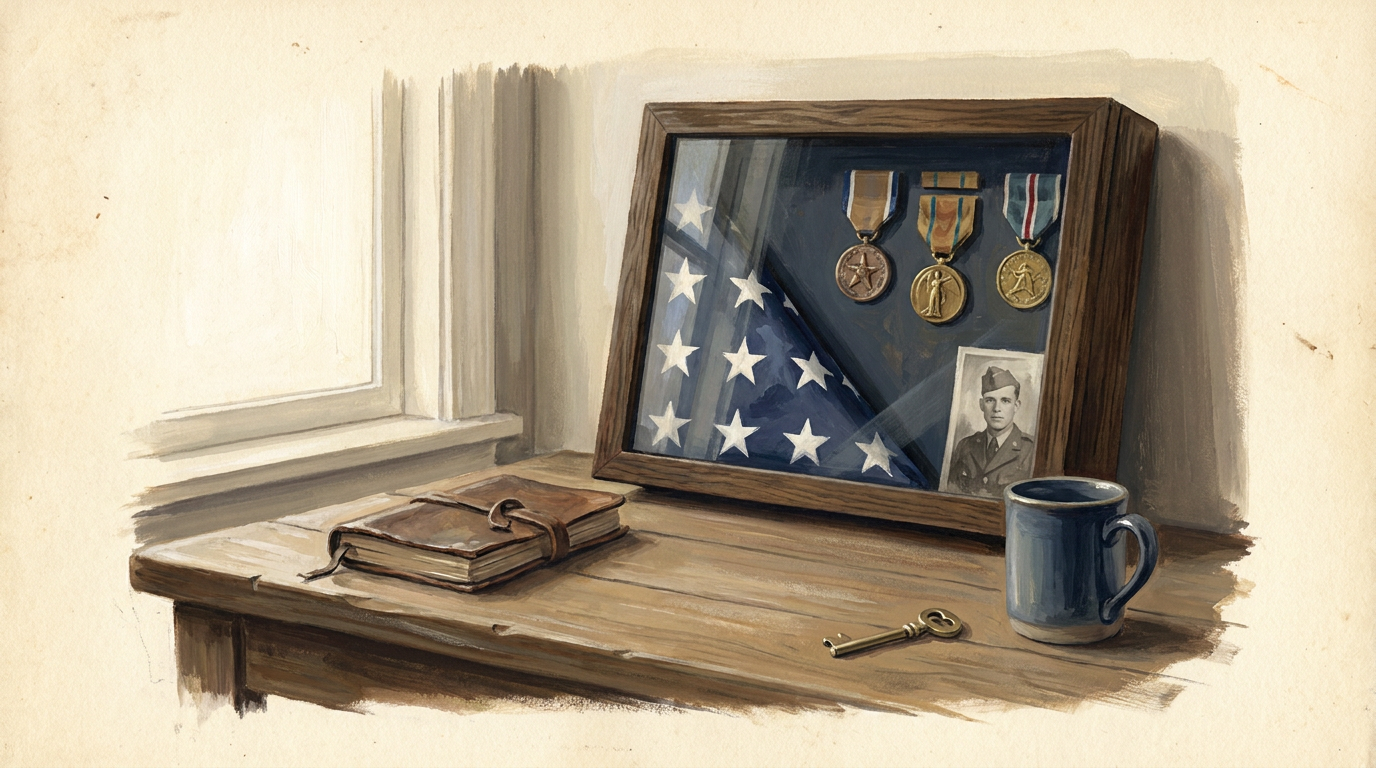
When a veteran’s service medals, ribbons, and badges are placed into a frame, they represent years of commitment and personal sacrifice. However, for family members who do not have a military background, these items can often feel like a cryptic language that is difficult to translate.
Creating a military shadow box is about more than just preservation; it is about education. Without a clear explanation, a Bronze Star or a specific unit patch may eventually lose its context. This guide explores military shadow box ideas that help bridge the gap between silent metal and the living stories of those who served.
Organising Your Military Shadow Box Ideas
A common challenge is knowing what to include and how to arrange it. The most effective displays follow a logical hierarchy. Traditionally, the highest-ranking medal is placed in the top-centre position, followed by other decorations in order of precedence.
However, a shadow box does not have to be a formal military record. You might choose to include more personal mementos: a set of dog tags, a pair of unit coins, or even a photograph of the veteran in uniform. When arranging these items, consider leaving a small space for a printed key or a legend. A simple card at the bottom of the frame that lists the name of each medal can prevent the meaning from being lost to time.
Providing Context Without Guesswork
One of the risks in creating a memorial display for a deceased veteran is the temptation to guess at the meaning of certain ribbons. Military history is precise, and many ribbons look similar despite representing vastly different achievements.
To ensure accuracy, it is often helpful to request a copy of the veteran's service records, such as the DD Form 214 in the United States or equivalent discharge papers in other jurisdictions. This document provides a definitive list of earned awards. If you are documenting these details for the future, you might consider how to plan your own legacy to ensure your family has the correct information regarding your service history before it becomes a matter of research.
Collect family memories together. Invite relatives to add photos and stories before they are forgotten.
Connecting the Physical to the Digital
A physical shadow box has limited space. While it can hold a medal, it cannot hold the story of the day that medal was earned, or the names of the friends who were there. This is where a digital layer becomes invaluable.
By placing a small QR code discreetly inside the shadow box or on its frame, you can link the physical objects to a more detailed memorial page for someone who has died. Visitors can scan the code to see photographs of the veteran wearing those exact medals, read their letters home, or watch video clips of them speaking about their experiences. This approach transforms a static display into an interactive educational tool that honors the veteran’s full humanity.
Practical Steps for a Dignified Display
When assembling the shadow box, use archival-quality materials to prevent the fabric of ribbons or the metal of medals from degrading.
- Select a Deep Frame: Ensure there is enough clearance for bulkier items like unit coins or a folded flag.
- Use Acid-Free Backing: This protects the mementos from yellowing or chemical damage over several decades.
- Label the Items: Use a small, dignified font to name the medals and units represented.
- Incorporate Narrative: If the veteran is still with us, encourage them to record the stories behind each item. These can be saved as messages and time capsules for the future to be shared with grandchildren who may not yet be old enough to understand the significance of the service.
A Note on Legal and Formal Records
While shadow boxes serve as a personal tribute, they are separate from official service records and legal documentation. Ensuring that your service history is reflected in your personal estate planning can be helpful for your survivors. Please note that the information provided here is for general educational purposes and does not constitute legal advice. Requirements for requesting military records or documenting service for veteran benefits vary significantly by jurisdiction; it is advisable to consult with a local veterans' affairs office or a qualified legal professional in your area.
Preserving the Spirit of Service
A military shadow box should be a source of pride and a catalyst for conversation. By combining the tangible presence of medals with clear labels and digital storytelling, you ensure that the veteran’s contributions are not just seen, but understood. This careful preservation ensures that future generations do not just look at a collection of ribbons, but truly see the person who wore them.